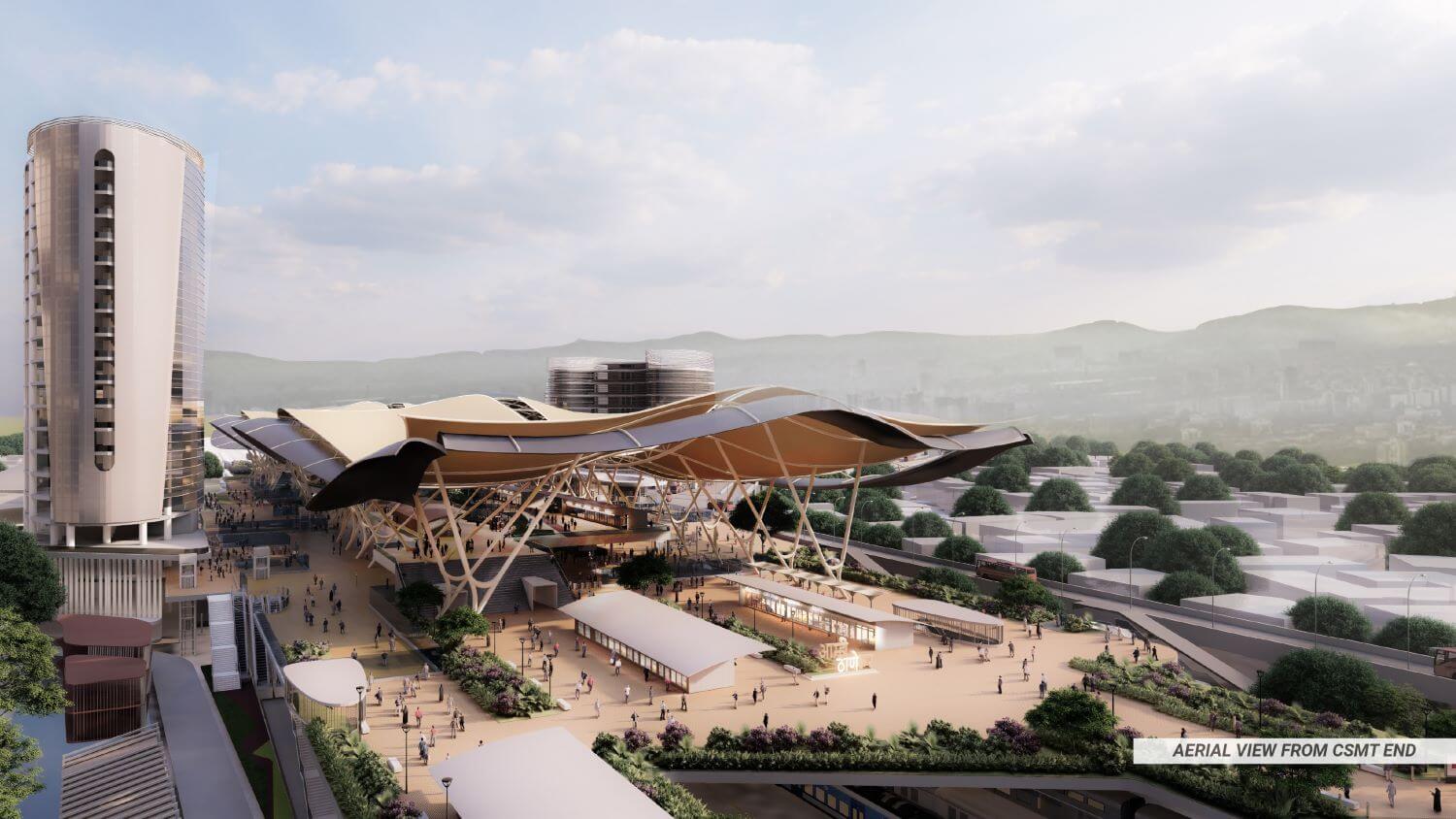
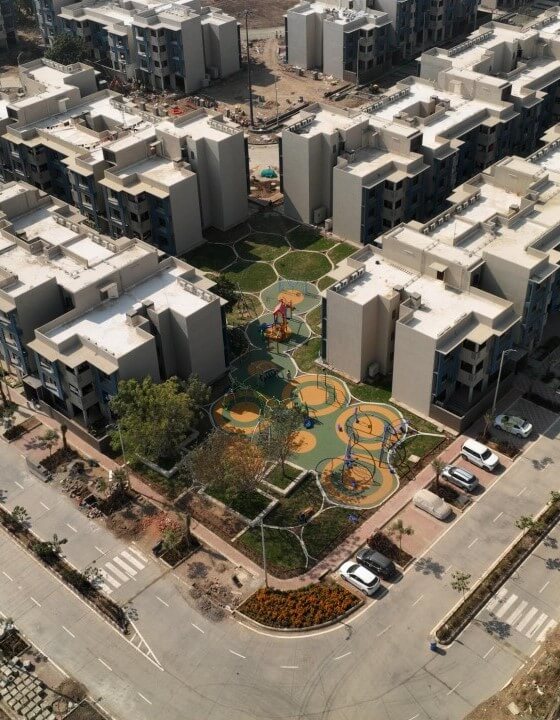
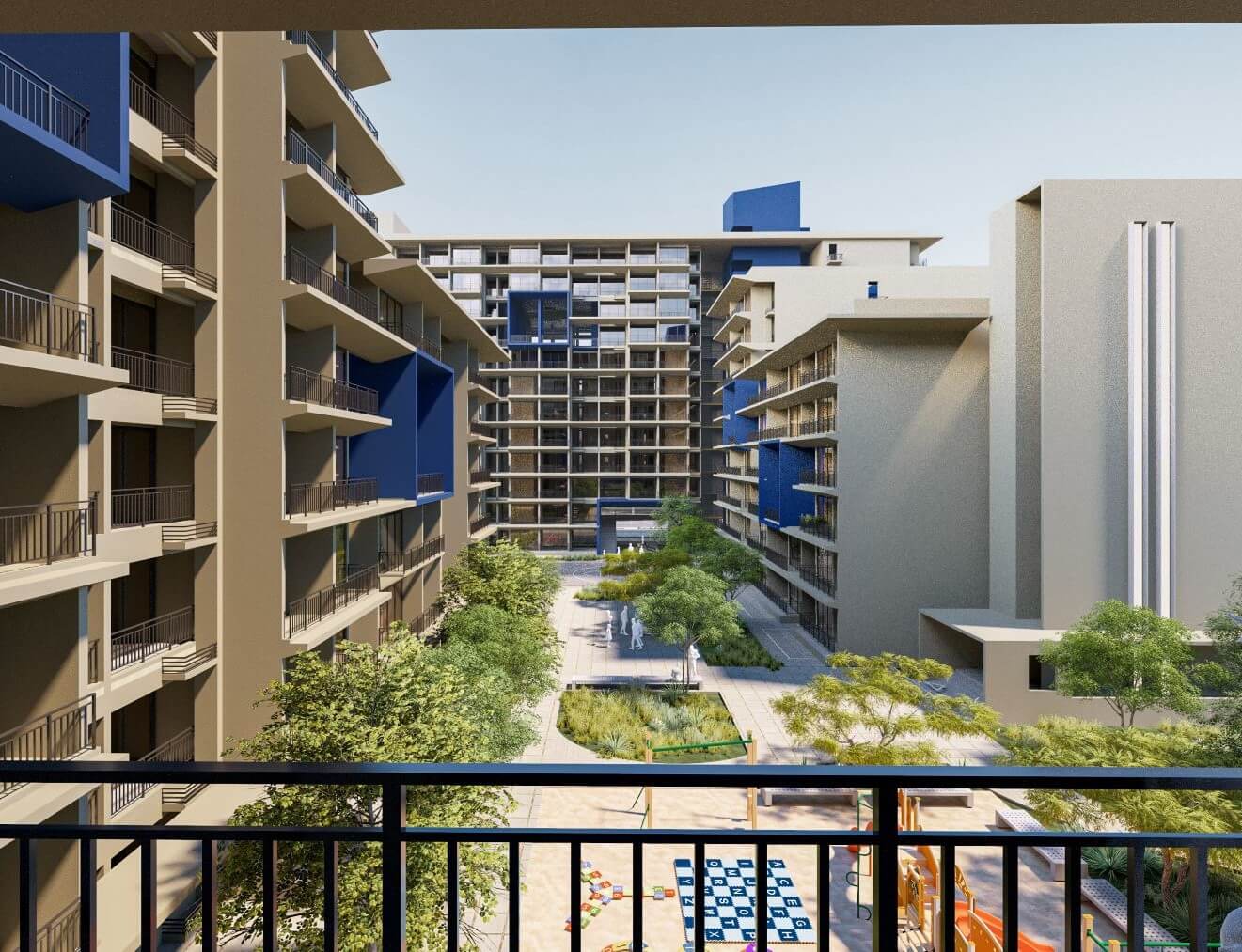
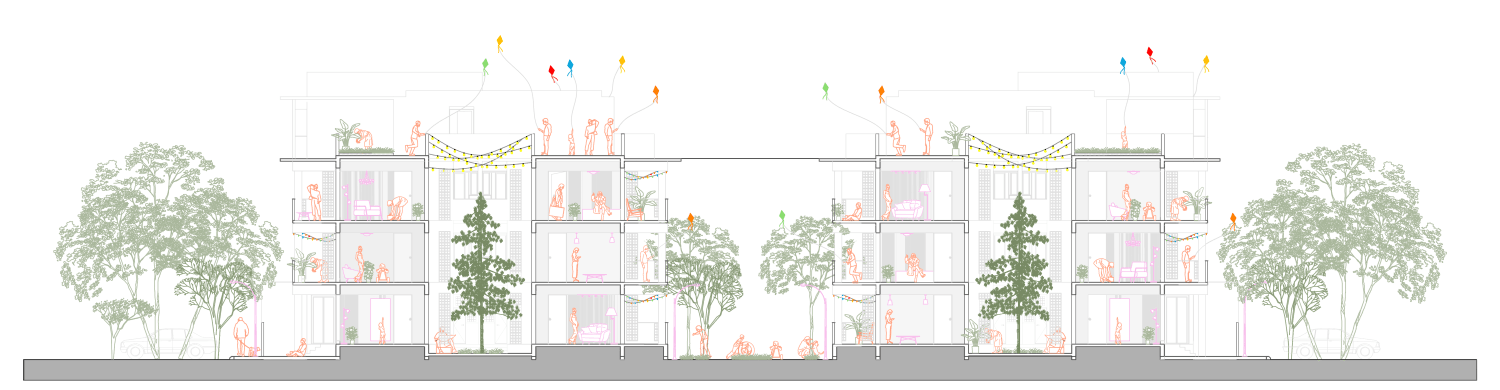
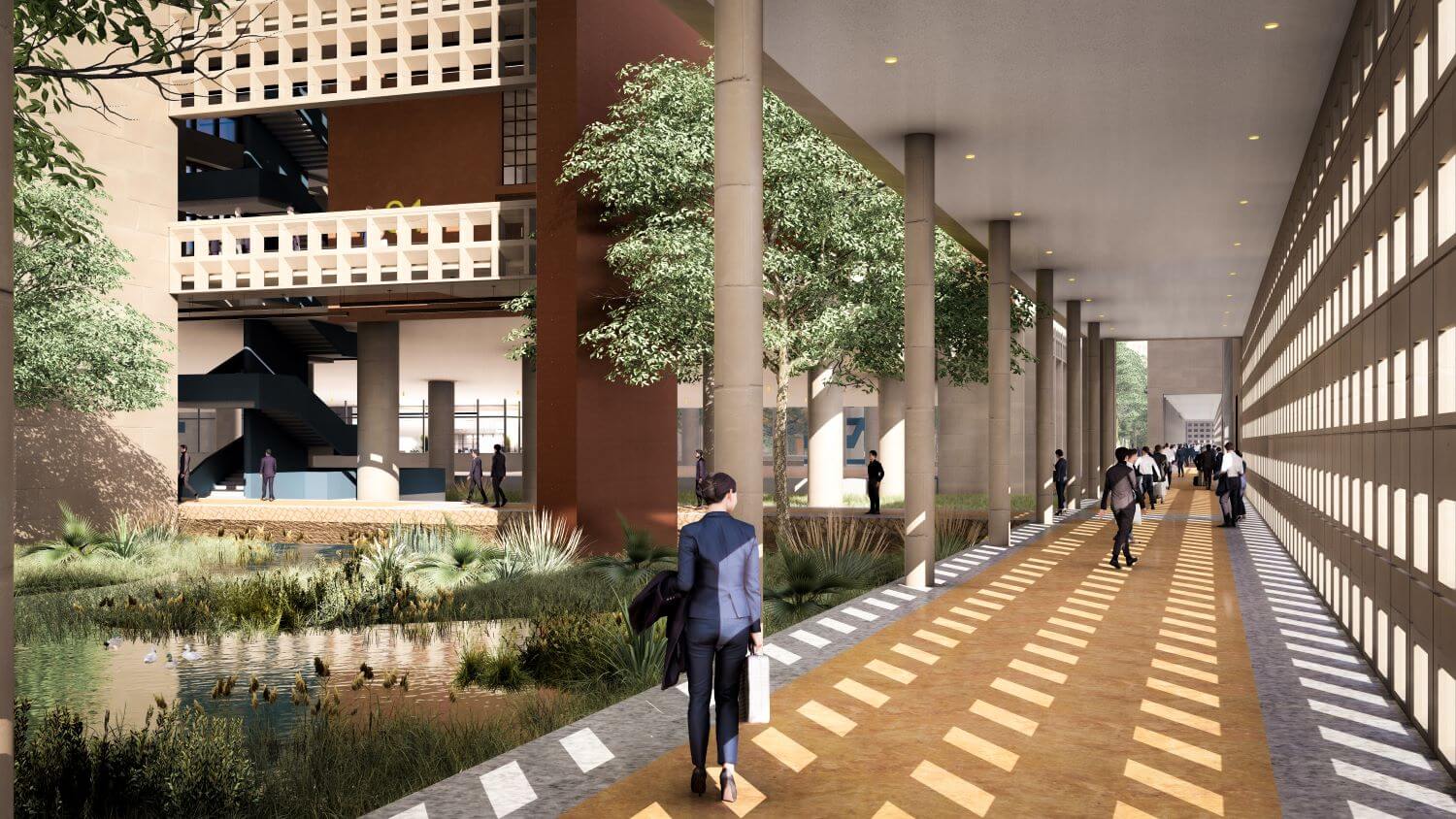
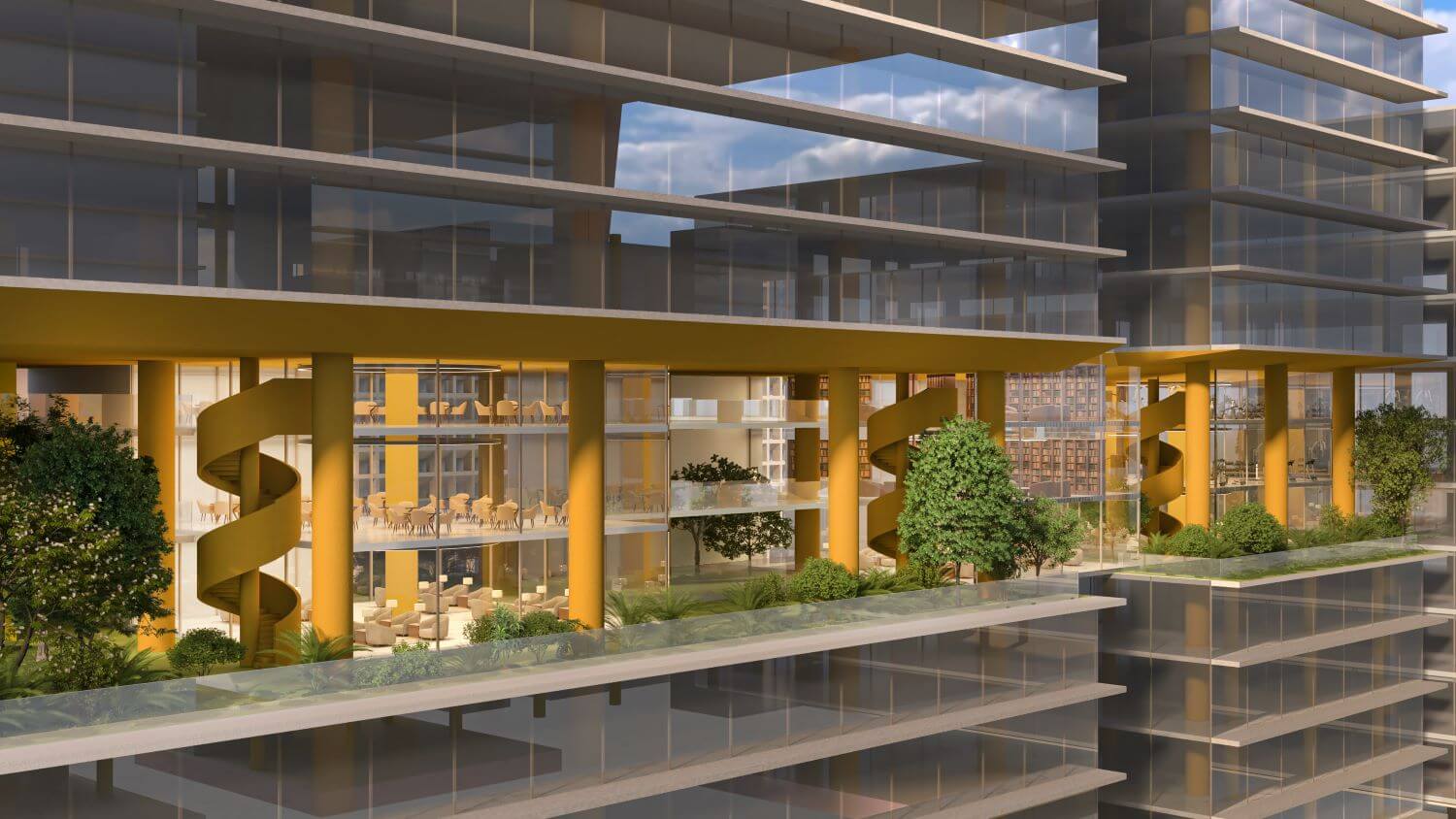
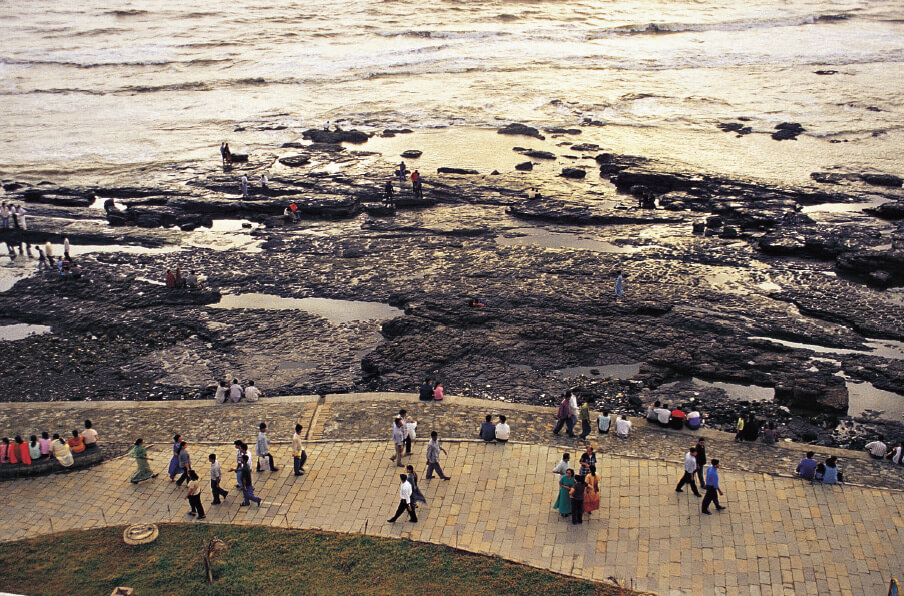
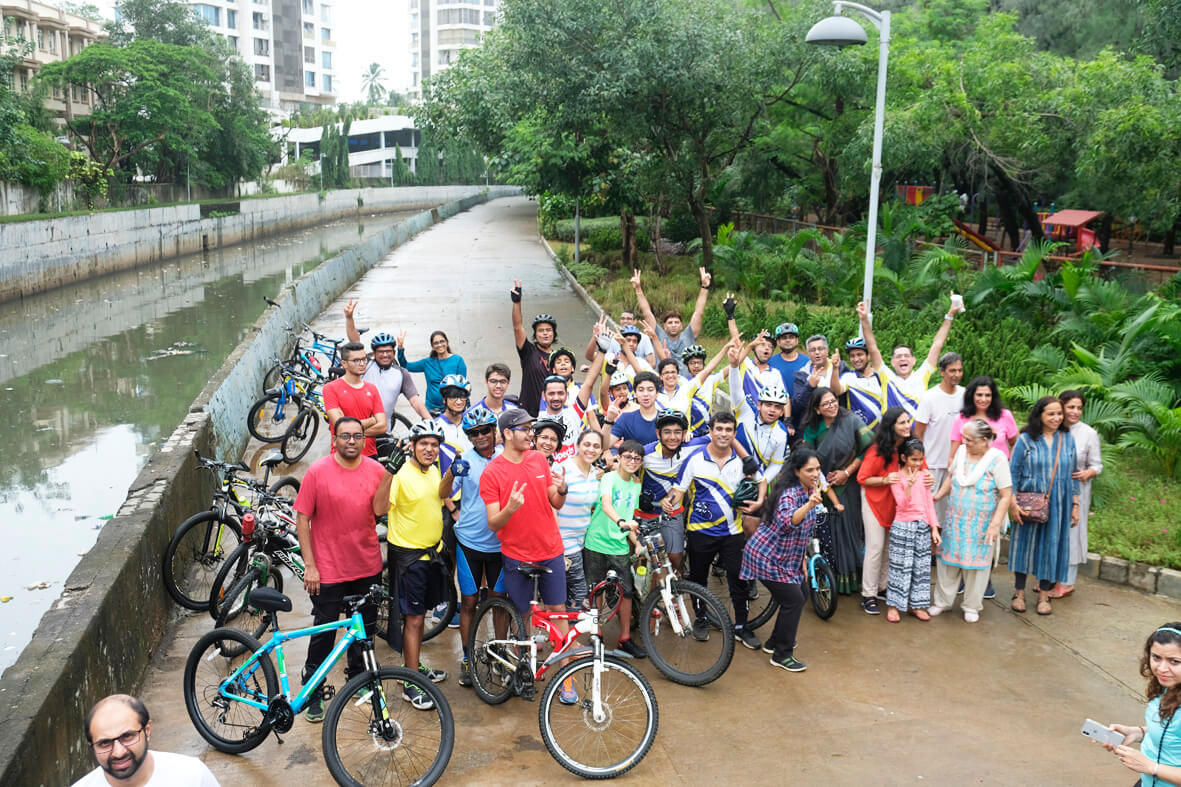
A parallel interest also saw us engage enthusiastically in social debates and democratic movements for justice and community welfare. As we closely interacted with people in such movements, we echoed their needs and concerns in the various rehabilitation schemes that we planned for them, in slum redevelopment, in the redevelopment of settlements for the poor and reconstruction of old, dilapidated buildings. This has also reinforced our commitment to public space: creating such networked spaces in the private and social projects that we design, and in reclaiming them from misuse and encroachment, such as the beaches and waterfronts of Mumbai , which have now been largely transformed, in parts, into lively forecourts to the city’s social and cultural activities.
Thus, we look at people as vibrant collectives and not as collections of competing individuals; and this perception forms the basis of all our plans and designs. Our towns and cities, with their different institutions, are, we believe, places for co-operation, not conflict. The central idea is to evoke a spirit of oneness and solidarity in the collective even while inviting democratic, inter- personal and cross-cultural dialogue and relationships in these inclusive, ‘open’, common spaces.